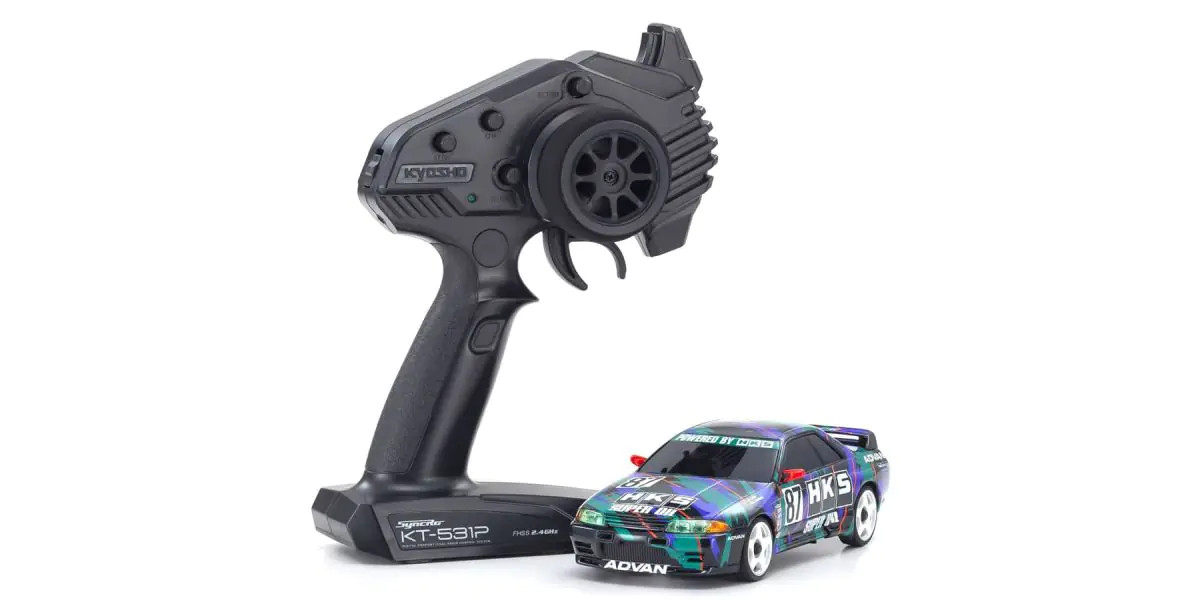
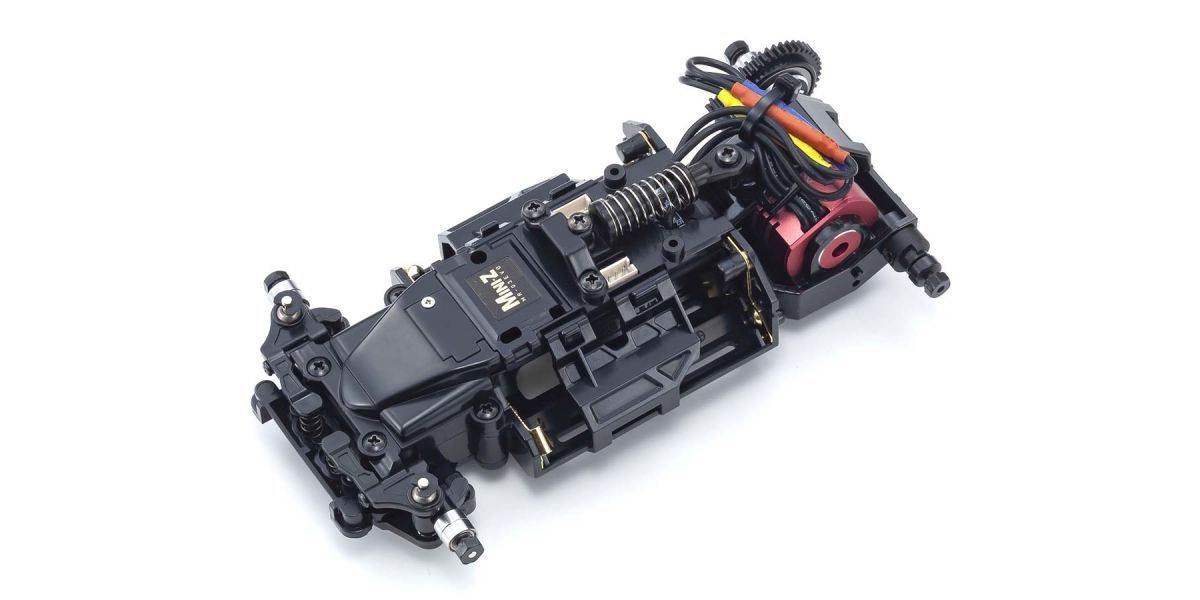
Two years of Mini-Z racing. Hundreds of laps. A parts drawer that could stock a small hobby shop. A few trophies and a lot of DNS stickers from nights I couldn’t get the car sorted.
If I could go back to day one with everything I know now, here’s what I’d do differently.
1. I’d Race Stock Class for a Full Season
I lasted about eight weeks before I went brushless. It felt slow. The fast guys were in modified. I wanted to be where the action was.
What I didn’t realize is that stock class teaches you things modified never will. With limited power, you have to carry corner speed. You can’t just point and squirt. Every tenth of a second matters, and those tenths come from driving technique, not horsepower.
The guys who run stock for a full season before moving up? They’re monsters when they finally get brushless power. They’ve already learned how to go fast with less.
→ More on this in Run Stock Class First.
2. I’d Buy Fewer Tires and Run Them Longer
I went through a phase where I was buying new tire compounds every other week. I’d read a forum post recommending a specific compound, order it, run it for one session, decide it wasn’t magic, and switch again.
The problem wasn’t the tires. The problem was that I wasn’t running any single compound long enough to understand how it behaved over a full session — how the grip changed as they warmed up, when they peaked, how they degraded. You can’t learn a tire in 10 laps.
Now I pick a compound for the surface, run it for at least 3-4 sessions, and actually learn its character before deciding if I need something different.
→ For surface-specific recommendations, see Tire Compound by Surface.
3. I’d Start a Setup Notebook Immediately
For my first year, I changed stuff at the track and never wrote it down. Softer T-plate one week, back to medium the next, different gyro gain, random tire changes. I had no record of what worked.
Now I write everything down. Date, track, surface condition, ambient temperature, tire compound, T-plate stiffness, gyro gain setting, diff tension, motor timing. When I find a setup that works, I can recreate it. When something doesn’t work, I know exactly what I changed.
A phone notes app is fine. A small notebook in your pit bag is better — there’s something about writing it by hand that makes you remember it.
4. I’d Ask the Fast Guys More Questions
I was intimidated by the experienced racers for way too long. They seemed unapproachable. They were fast, they had nice cars, and they all knew each other.
Turns out they’re just people who like tiny cars. Every single one of them was happy to talk shop when I finally asked. Most of them were excited to share what they’d learned. The Mini-Z community is small enough that people genuinely want new racers to stick around.
The best setup advice I’ve ever gotten came from a 5-minute conversation at the pit table, not a forum post.
5. I’d Learn to Marshal Before I Learned to Race
Marshalling — picking up crashed cars and putting them back on track — is boring when you’d rather be driving. But it teaches you something invaluable: you see the track from above, you watch faster drivers’ lines, you notice where crashes happen and why.
I learned more about racing lines from watching other people race than from any guide or video. When you’re marshalling, you see the difference between the guy who brakes early and carries speed through the corner versus the guy who brakes late and has to slow-roll the exit. It’s obvious from the outside. It’s invisible from behind the wheel.
6. I’d Maintain the Car on a Schedule
For the first six months, my maintenance strategy was “fix it when it breaks.” That meant I was doing emergency repairs at the track — swapping a T-plate that cracked mid-session, replacing a stripped screw with the wrong size because that’s all I had, running a diff that was dry as dust.
Now I follow a simple schedule: clean tires and check body clips after every session, service bearings and diff every 5 sessions, full teardown every 20. The car is more consistent, I spend less time wrenching at the track, and parts last longer because I catch wear before it becomes failure.
→ The full schedule is in the Maintenance Guide.
7. I’d Spend Less Time on Forums, More Time on Track
This is the big one. I spent hours reading about setups, watching YouTube builds, comparing motor specs, debating ball diff versus gear diff with strangers on the internet. It felt productive. It wasn’t.
There’s a point where research becomes procrastination. You’re not learning — you’re avoiding the uncomfortable reality that getting faster requires showing up, driving badly, and slowly getting better. No shortcut. No secret setup. Just laps.
If I added up all the hours I spent reading about Mini-Z in my first year and converted them to track time, I’d have been twice the racer in half the time.
The One Thing I Wouldn’t Change
I’d still pick the MR-03 as my first car. It’s the community standard, parts are everywhere, and the platform has enough depth to keep you busy for years. If I was starting today, the MR-04 would also be a great choice — but the MR-03 is still hard to beat for a first car.
→ Not sure which platform to start with? Read MR-03 vs MR-04.
The biggest lesson from two years of Mini-Z: the hobby rewards patience. The fast racers aren’t the ones who bought the best parts first — they’re the ones who showed up every Tuesday, drove their laps, asked their questions, and let the speed come naturally.
Start there. The rest follows.
— MiniZ Modder
Product images courtesy of Kyosho.