Mini-Z Race Day Checklist: What to Bring and How to Prepare
Everything you need in your pit bag for a Mini-Z race night. Batteries, tools, spares, and the pre-race routine that keeps you off the DNS list.
MR-03 · MR-04 · MA-020 · MX-01
Your first race night is exciting and a little nerve-racking. The fastest way to ruin it is to show up missing something basic — dead batteries, no hex wrench, or a body with no clips. This guide is a printable-friendly checklist so you never DNS (Did Not Start) because of something preventable.
The Night Before
Do this the evening before race day. Not the morning of.
Charge batteries. All of them. Your car batteries (AAA NiMH, LiFe, or LiPo pack) and your transmitter batteries. A partial charge will die mid-main and you’ll coast to a stop on the racing line. Charge everything to full and leave it off the charger overnight.
Clean tires. Wipe all four tires with a clean microfibre cloth. If your tires are old, glazed, or worn unevenly, swap them for fresh rubber. Race day is not the time to discover your tires are shot.
Do a function check. Turn on the car and transmitter. Confirm steering goes full lock both directions and centers cleanly. Confirm throttle and brake respond. Check trim settings. This takes 60 seconds and catches dead servos, bad crystals, and binding issues before you’re at the track.
Set your transponder (if applicable). If your club uses AMB or similar lap counting, make sure your transponder is charged and mounted. Know your transponder number.
The Pit Bag — Essentials
These go in your bag every single time. No exceptions.
| Item | Why |
|---|---|
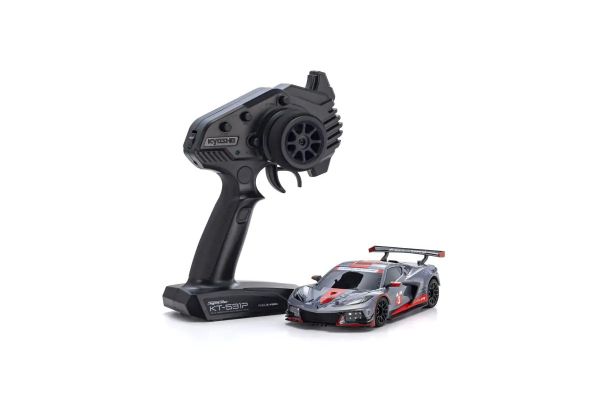
| Car (fully assembled, body on) | Obvious, but people have forgotten |
| Transmitter | With fresh batteries installed |
| 2 sets of car batteries | One set dies, you need a backup |
| Spare transmitter batteries | AAs — at least 4 |
| Hex wrench set (1.5mm, 2.0mm) | The two sizes you’ll use 90% of the time |
| Small Phillips screwdriver (#0) | For body screws and some electronics |
| Needle-nose tweezers | For tiny screws, shims, and body clips |
| Spare body clips | They fly off and disappear. Bring 4–6 extras |
| Microfibre cloths (2–3) | Tire cleaning between heats |
| Small parts box | Screws, shims, spare springs — anything loose |
The Pit Bag — Recommended
Not strictly required for your first race, but you’ll want these by your third.
| Item | Why |
|---|---|
| Spare body shell | Crashes happen. A backup keeps you racing |
| Spare tire set | Different compound or a fresh set if yours go off |
| Tire sauce + applicator board | If your club allows it (ask first) |
| Setup tools (ride height gauge, camber gauge) | For between-heat adjustments |
| T-plate set (soft/medium/hard) | Swap if the track grip is different than expected |
| Spare springs | Front springs break or lose tension |
| Small towel or mat | Clean surface to work on your car |
| Zip ties and tape | Universal fixes for unexpected problems |
| Notebook or phone | Record what’s working and what isn’t |
→ For the full tool rundown, see the Tools Guide.
At the Track — Pre-Race Routine
You’ve arrived. Here’s the order of operations.
1. Sign In and Pay (10 min before practice)
Most clubs run a sign-in sheet. Pay your entry fee, get your frequency or channel assignment (if applicable), and find out which heat you’re in. If it’s your first time, tell the race director — they’ll point you to the right class and explain the format.
2. Set Up Your Pit Space
Find a spot at the pit tables. Lay out your tools, spare parts, and batteries. Keep your space tight and organized — pit tables fill up fast on busy nights.
3. Practice Laps (Use Every Minute)
Practice time is not for going fast. It’s for:
- Learning the layout. Walk the track if you can. Identify the fast corners, the slow hairpins, and the marshalling positions.
- Checking grip. The first few laps tell you if the surface grip is high or low today. If the rear is sliding, you may need softer rear tires or more gyro gain.
- Finding your braking points. Pick a visual reference for where to start braking for each corner. A seam in the carpet, a track barrier stripe, anything consistent.
Don’t push to 100% in practice. Drive at 80% and focus on clean laps.
4. Between Heats
Wipe tires between every heat. Grip drops when rubber picks up dust and debris. A quick wipe with a microfibre cloth takes 10 seconds and makes a noticeable difference.
Check the car over. Flip it, look for loose screws or body damage. Tighten anything that needs it.
Review your driving. What corner are you losing the most time in? What’s the car doing wrong? If you’re understeering (pushing wide), consider a softer front T-plate or more front tire grip. If you’re oversteering (rear sliding out), add gyro gain or try a stiffer rear setup.
→ Setup diagnosis is covered in the T-Plate Setup guide and the Gyro Setup guide.
5. After the Final Heat
Don’t leave immediately. Help marshal the last few races. Stick around, talk to other racers, ask questions. The Mini-Z community is small and generous. The fast drivers at your local track are your best resource for setup advice specific to that surface and layout.
Pack up cleanly. Put your car away properly — body off (to avoid clip stress during transport), batteries removed, tires wiped. A clean packup means a faster setup next week.
Common First-Timer Mistakes
Showing up with dead batteries. The number one DNS reason. Charge everything the night before.
Not bringing spare body clips. They’re tiny, they break, and they vanish. You cannot race without them.
Pushing too hard in practice. Practice is for learning, not for hero laps. Save the aggression for the mains.
Not asking for help. Nobody expects a new racer to know everything. Ask the race director, ask the fast guys, ask the person next to you at the pit table. People love talking about Mini-Z.
Changing too many things at once. If the car feels wrong, change one variable at a time. Tires OR T-plate OR gyro gain — not all three between heats. Otherwise you won’t know what fixed it (or made it worse).
The Short Version
If you only remember three things:
- Charge everything the night before.
- Bring spare batteries and body clips.
- Drive at 80% and focus on consistency.
Do that and you’ll finish races, learn fast, and have a great time. Everything else comes with experience. For the detailed version of that pre-race routine, read My 20-Minute Pre-Race Ritual. And if this is your first time at a club, So You Want to Actually Race Your Mini-Z covers what nobody tells you upfront.
→ For the upgrade path after your first few races, see Your First 5 Upgrades. → For tire selection by surface, see Tire Compound Tuning.