I’ve watched maybe fifteen people come through our club in the last two years. More left than stayed. And the reasons are almost always the same.
Mini-Z racing is one of the easiest entry points in all of RC — low cost, small space, fast learning curve. The problem is what happens after you get in.
The Comparison Trap
This is the big one. A new racer shows up, has fun for a few weeks, then starts watching the A-main guys. They see the lap times, the smooth lines, the cars that look like they’re on rails. And instead of seeing a path they’re on, they see a gap they can’t close.
The comparison kills them because they think the gap is about equipment. The fast guy has a brushless setup, aftermarket bearings, a specific T-plate, certain tires. So the new racer buys all of it. And they’re still slow. Now they’ve spent money AND they feel like something is wrong with them.
Nobody told them that the fast guys have been driving three nights a week for two years. The equipment is the smallest part of why they’re fast. But you can’t buy two years of seat time on Amazon.
If you’re in this spot right now, go read why copying a fast driver’s setup doesn’t work — it’s the same lesson from a different angle.
Nobody to Race Against
This one is quieter. A guy gets into Mini-Z, practices at home, maybe orders an RCP track panel or two, gets decent. But there’s no club within an hour of him. Or there’s a club, but it runs on a night he can’t make.
Mini-Z racing alone gets old fast. You can only hot-lap against yourself for so many evenings before the motivation fades. The thing that keeps people hooked is real, in-person, somebody-on-your-bumper competition. Without that, the car goes on the shelf.
If there’s a club anywhere near you, even if it’s inconvenient, go. Once. The social pull of racing real people is what turns this from a gadget hobby into something you actually keep doing.
The Plateau Nobody Mentions
Here’s a pattern I’ve seen at least five times. Racer shows up, improves quickly for the first month or two — goes from last place to mid-pack. Feels great. Then the improvement stops. They’re solidly mid-pack and nothing changes.
The first month is easy because you’re learning basic car control: don’t overdrive the corners, brake earlier than you think, be smooth on throttle. Big gains, fast.
The next level — going from mid-pack to podium — requires a completely different kind of work. It’s studying specific corners. It’s tracking your setup changes and figuring out what actually makes your car faster on your track. It’s learning racecraft: when to push, when to be patient, how to pass without wrecking both of you.
That transition from “naturally getting better” to “deliberately working on it” is where people stall. It stops feeling like fun and starts feeling like practice. A lot of people didn’t sign up for practice.
The ones who push through the plateau find the practice itself enjoyable. If the process of getting better is the fun — not just the results — you’ll survive this phase. If you need constant visible improvement to stay motivated, the plateau will chase you out.
The Money Spiral
Some people don’t quit because they lost interest. They quit because they spent too much. Mini-Z starts cheap, but the upgrade path is deep. A motor here, tires every month, a new transmitter because the stock one “feels limiting.” Before you know it, you’re $800 into a 1/28 scale car and your spouse is asking questions.
The fix is boring but real: set a monthly budget and stick to it. Buy things to solve specific problems, not to scratch the itch of wanting something new. I wrote about this in stop upgrading and start driving and it’s the single most useful mindset shift in this hobby.
What Actually Keeps People
The people who stick around all have one thing in common. It’s not talent, and it’s not money. It’s that they found somebody to race with regularly and they care more about the racing than the results.
That’s it. Show up, race your friends, don’t take the stopwatch too seriously. The guys in our club who’ve been at it for years aren’t all fast. But they’re all having fun. And they keep coming back on Tuesday nights.
The ones who quit were usually racing against a version of the hobby that doesn’t exist — the one where you buy the right parts and suddenly you’re fast. The real version is slower, messier, and a lot more rewarding if you give it time.
— Mini-Z Modder
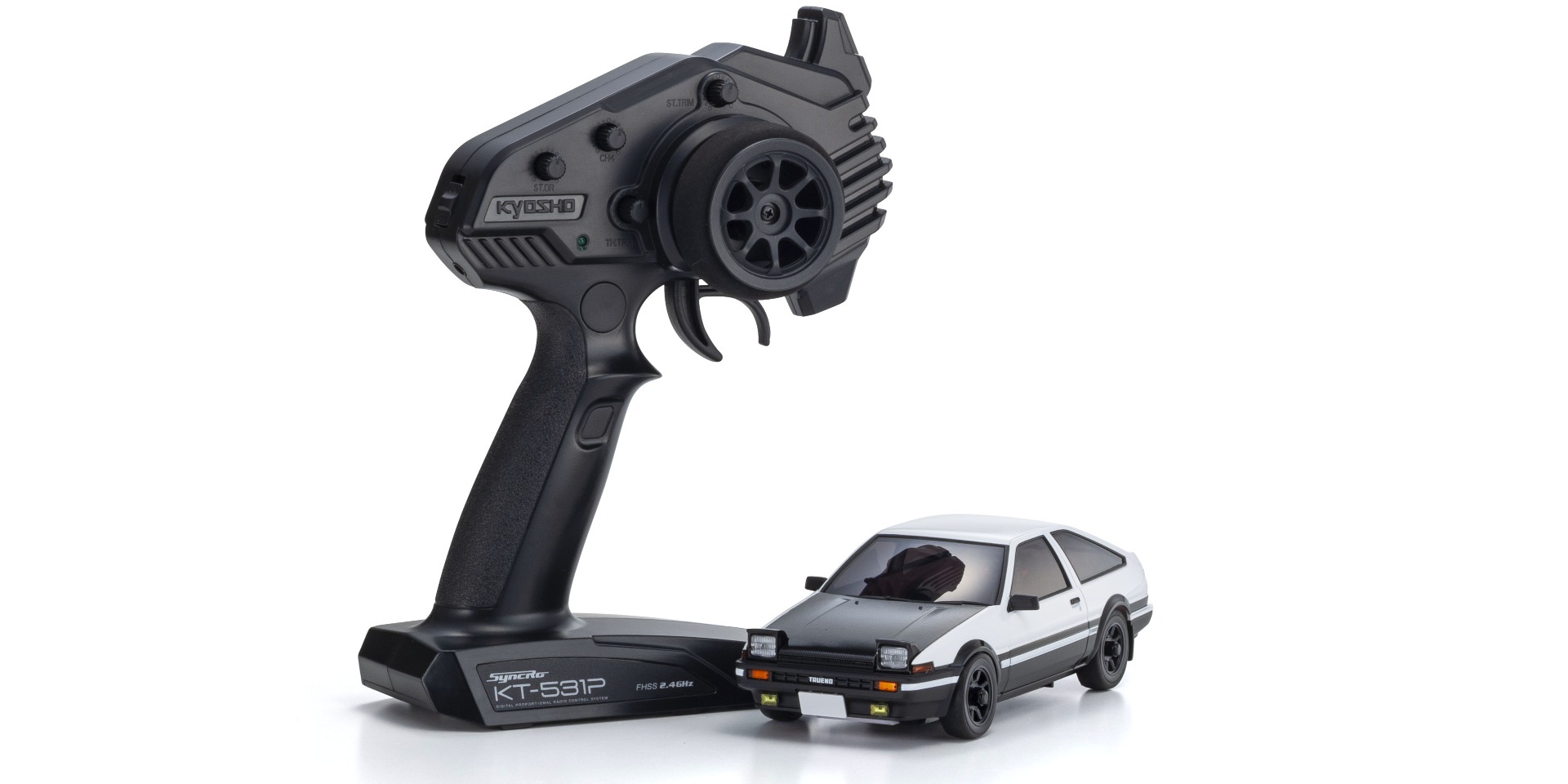
Product images courtesy of Kyosho America.