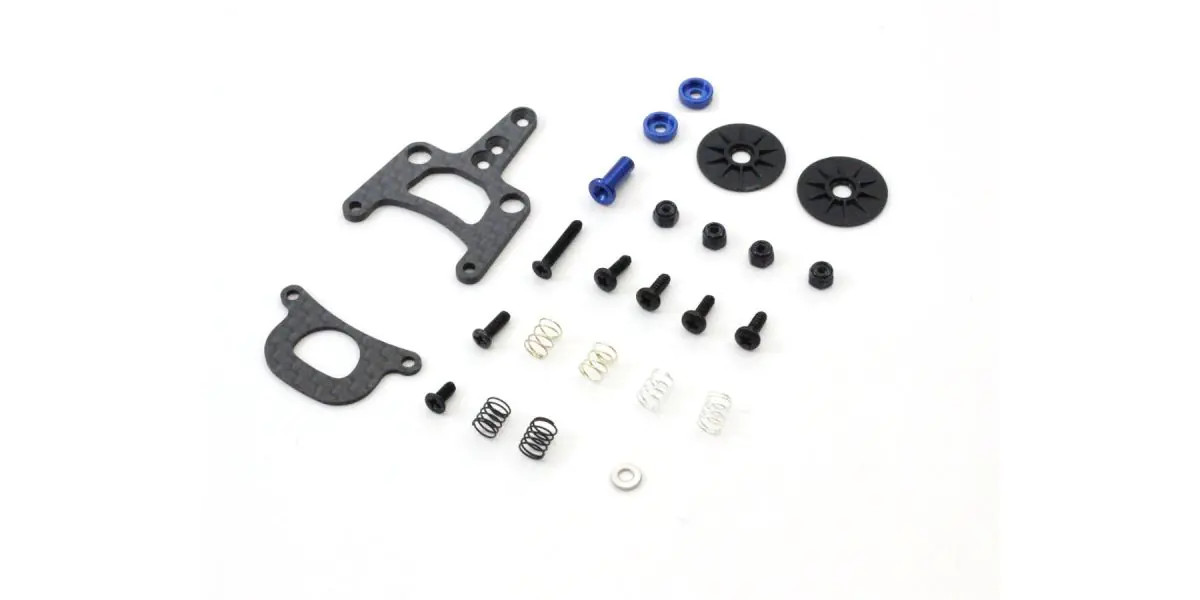
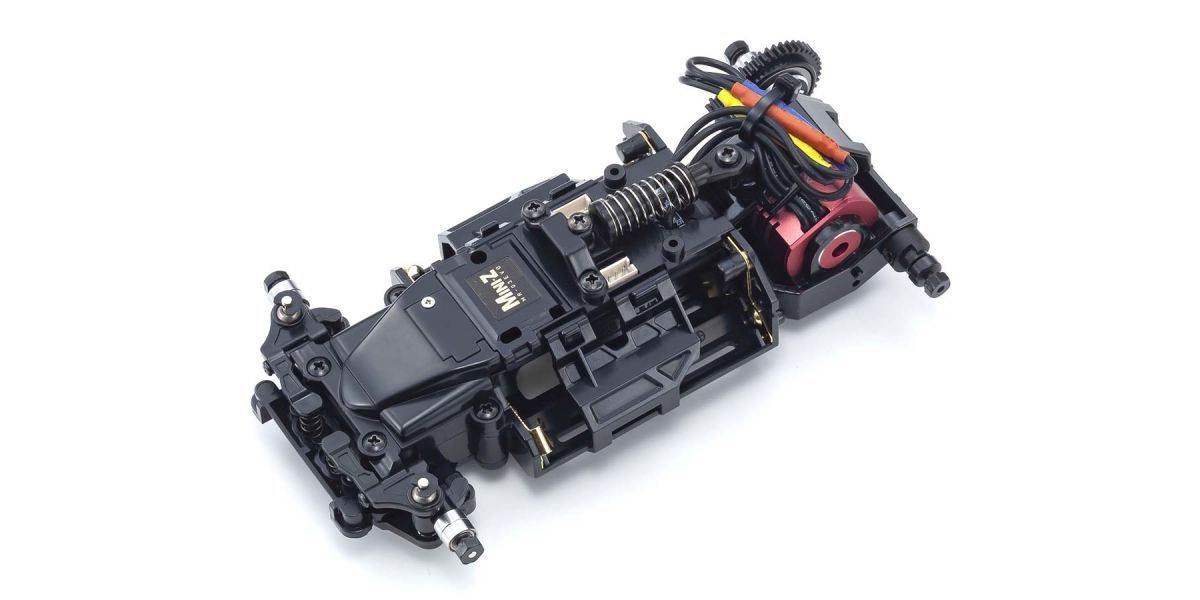
There’s a version of this hobby where you spend more time researching parts than actually driving. You know the one. You’ve bought bearings, a carbon T-plate, two different tire compounds, a new pinion set. The car is sitting on your desk. You’re reading about brushless conversions.
The car hasn’t turned a lap in three weeks.
This is not a rare situation. It’s basically a rite of passage in Mini-Z ownership, and the forums make it worse because there’s always something else you could be running. Someone posts lap times with a setup you haven’t tried. A new motor hits the market. Another thread about which gyro is actually worth it.
Here’s what I figured out after a while: the gap between me and the fast guys at my club was almost entirely driving, not hardware.
What Actually Limits Lap Time at the Club Level
Once your car is sorted — bearings, reasonable tires, a T-plate that’s not cracked — the next 80% of your improvement comes from driving. Braking points. Corner entry speed. Throttle application out of slow corners. Consistency across a 4-minute heat.
None of that is a parts problem. You can run the same brushless kit as the A-main guys and still get lapped if your braking points are wrong. The car doesn’t fix that for you.
The tricky part is that driving improvement is invisible in a way that parts improvement isn’t. A new T-plate shows up in a box and you can hold it. Progress as a driver happens quietly, run by run, and there’s nothing to photograph.
The Test
Here’s a simple test for whether you should buy a part or just go drive more.
Can you drive the same line through your most difficult corner consistently, three laps in a row, without spinning or going wide? If the answer is no — and be honest — that’s a driving problem. A softer T-plate won’t fix it. Another tire compound won’t fix it.
If the answer is yes and you’re still losing time somewhere specific, then it’s worth looking at setup. But most of the time the answer is no, and most of us know it.
The Specific Trap: Setup Chasing Instead of Driving
Setup chasing is when you change something on the car after every run because you’re not happy with the result, without actually diagnosing what’s wrong. The run felt loose. You soften the rear. Next run feels different — maybe better, maybe just different — so you change something else.
After ten runs you’ve changed four things and have no idea what the car actually does because you have no baseline anymore.
The discipline version of this is: drive at least five consistent laps on a known setup before you touch anything. Log what you feel. Change one thing. Run it again. This is boring and it works.
What to Do Instead of Buying
If you have the urge to buy something, try this first. Go to the track and run three practice sessions back to back, focusing on one specific corner each session. Not the whole track — one corner. Pick the one where you lose the most time.
Watch a faster driver go through that corner. Watch their braking point relative to yours. Watch whether they trail brake or release early. Watch their steering angle on entry and how early they get to throttle.
One session of that is worth more than most upgrades.
When Buying Is Right
None of this means parts don’t matter. They do. But there’s a sequence that works: drive until you hit a specific, repeatable limit, identify what’s causing it, then address it with the right part.
The operative word is repeatable. If you can reproduce the problem — every time I go through turn three hard, the rear steps out — that’s something setup can fix. If the car just “feels off” sometimes, that’s usually driver inconsistency, not the car.
Buy parts to solve specific problems. Stop buying parts to feel like you’re making progress.
The fastest guy at our club runs a two-year-old MR-03 with parts he’s had for years. He’s just been turning laps the whole time. For a story that drives the point home, read The $50 Mini-Z That Beat My $300 Build.
— Mini-Z Modder
Product images courtesy of Kyosho.