I used to screenshot my fast laps. I’d hit a personal best during practice, text it to a buddy, and feel like I was making real progress. Then race night would come and I’d finish mid-pack again. Same as always.
It took me an embarrassingly long time to understand why. My fast lap was real. It just didn’t matter.
The Gap Between Best and Average
Here’s the thing about a fast lap: it only has to happen once. Everything aligned — you nailed the braking point into the hairpin, carried perfect speed through the sweeper, didn’t bobble the chicane. For one lap, you drove like the version of yourself you think you are.
Then reality shows up. The next lap you brake a little late. The lap after that you overdrive the entry to turn four. Two laps later someone’s on your bumper and you tighten up. Your fast lap was a 9.4 and your race average is a 10.1. That gap — seven tenths — is where the race actually lives.
The guy who wins? His fast lap might only be a 9.5. But his average is a 9.7. He’s not spectacular on any single lap. He’s just never bad. And over a five-minute heat, never being bad beats occasionally being great every single time.
Why We Focus on the Wrong Number
Lap timing systems show you your best lap in big numbers. It’s the thing everyone looks at after a session. “What’d you run?” always means your fastest, never your average. The whole culture around it rewards the outlier.
But if you actually export your lap data — and most timing systems let you do this — the picture looks different. Sort your laps and look at the spread. If your best lap is 9.4 and your worst is 11.2, that’s a 1.8-second spread. You’re a different driver from one lap to the next. That inconsistency is costing you more positions than any single part on your car.
The fast guys at my club? Their spread is usually under half a second. Their best and worst laps are almost the same because they’ve trained away the variance. They don’t have a hero lap. They have a pace.
Consistency Is a Skill You Can Train
This isn’t some vague “be more consistent” advice. There’s a specific way to work on it, and it’s the opposite of how most people practice.
Stop trying to go fast. Seriously. Pick a lap time that’s about half a second off your best — something you can hit without pushing hard. Now try to run ten laps in a row within two tenths of that number. Not faster. Not slower. Right on it.
It’s harder than it sounds. You’ll overdrive a corner trying to make up for a slow exit. You’ll get bored on a straight and carry too much speed into the next brake zone. The discipline of running the same lap over and over exposes every inconsistency in your driving.
If you’re tracking your setups, add your average lap and your spread to the log. Those two numbers tell you more about your progress than your personal best ever will.
When Your Fast Lap Actually Matters
Qualifying. That’s about it. In a single-lap or best-lap qualifying format, your peak matters. And even then, the driver with a tight spread has an advantage because they can reproduce their speed when it counts instead of hoping for lightning to strike.
In a race heat, fast laps are noise. What wins is the ability to put down the same clean lap after someone bumps you, after you make a mistake, after the pressure builds in the last minute. That’s a mental skill as much as a driving one, and it only develops through deliberate, boring, repetitive practice.
The Scoreboard Doesn’t Lie
Next time you’re at the track, watch the A-main. Watch how unremarkable each individual lap looks from the fast guys. No heroic saves, no dramatic corner entries. Just the same line, the same speed, the same braking point, lap after lap. It looks easy because the variance is gone.
Then watch the B-main. You’ll see faster individual corners, wilder moves, occasional brilliant laps — followed by mistakes that give it all back. More exciting to watch. Worse results on the board.
The scoreboard doesn’t care about your best lap. It counts all of them.
— Mini-Z Modder
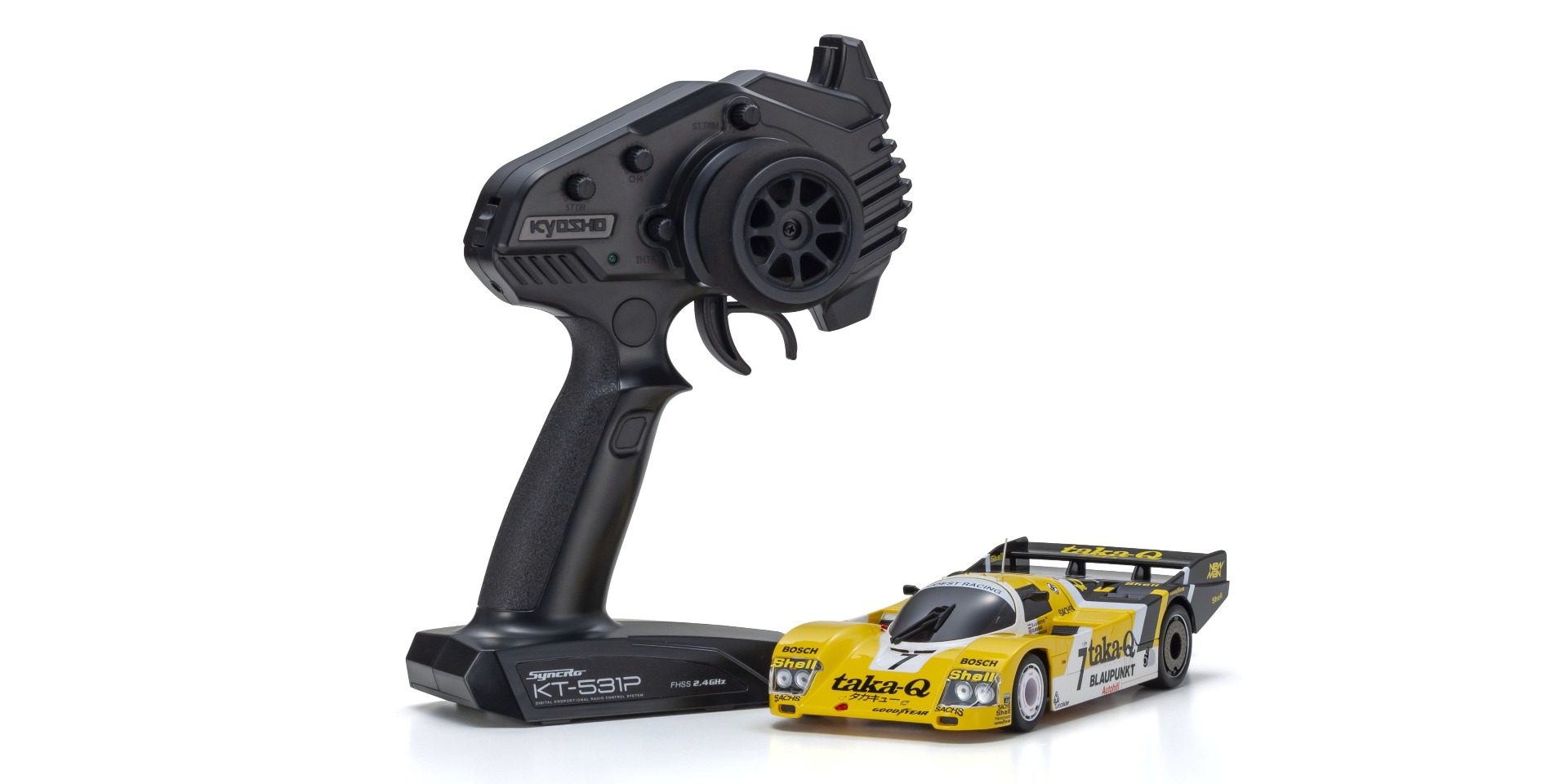
Product images courtesy of Kyosho America.