A lot of people come to club racing after months — sometimes years — of driving Mini-Zs in a parking lot, a basement, or a living room with furniture-obstacle courses. The car feels dialed. They’ve got a feel for the throttle, they can place it where they want, they’re confident.
Then they get on an RCP tile track and feel like they’ve never driven before.
This is completely normal, and understanding why it happens makes the adjustment a lot faster.
The Surface Is Different in Every Way That Matters
RCP foam tile — the interlocking mat system most indoor Mini-Z tracks use — has more grip than almost any surface you’ve been driving on. More grip sounds good. It mostly is. But it changes the physics of the car in ways that take time to rewire.
On low-grip surfaces like concrete or hardwood, the car slides progressively. You feel it coming, you correct, it comes back. There’s a communication between the car and your hands. On RCP, the car grips and grips and grips, and then it snaps. There’s much less warning. If your throttle application is aggressive coming out of a corner, the rear breaks loose faster and recovers less forgivingly than you’re used to.
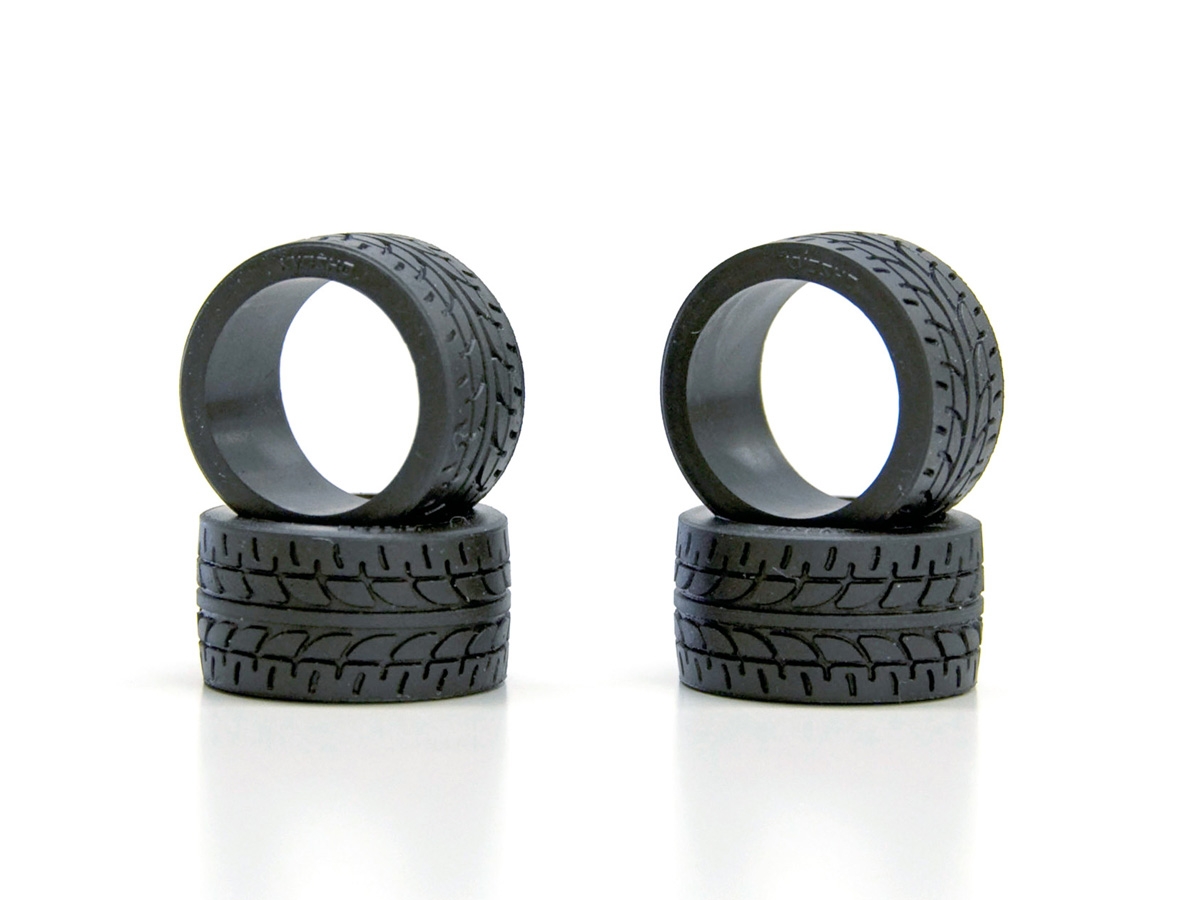
The tires you bring matter enormously here too. If you roll in on tires suited for concrete or carpet, you’re going to be understeering in some corners and snapping in others. Always ask the track what compound is recommended before your first visit. It makes a bigger difference than anything else.
Your Braking Points Are Wrong
In a parking lot, braking late and sliding to the apex works fine. On RCP, late braking with too much speed just means you run wide — the grip holds you in the corner long enough to understeer right off the line you wanted.
The adjustment is to brake earlier than feels right, get the car settled, and then use the grip to rotate cleanly. This feels slow the first few sessions. Your instinct says carry more speed. Ignore the instinct for now and focus on hitting the same braking point every lap until you can do it consistently. Speed comes back once the timing is internalized.
The Track Has a Layout and It Doesn’t Change
This sounds obvious, but it’s a real mental shift. When you’re driving in a parking lot, the “track” is loose. You can adjust your line mid-session, you can make up mistakes by going around them, there’s no penalty for going off the ideal path.
RCP layouts are defined. There’s a line through each corner, and that line is faster than everything else. Deviating from it costs you time in ways that don’t always feel obvious in the moment. When someone is posting times two seconds a lap faster than you on a 40-second track, the difference is usually just that they’re hitting the correct line through five corners that you’re slightly off on.
The useful practice is to pick one section of the track and own it. Not the whole layout — one chicane, one hairpin, one sweeper. Nail it until it’s automatic, then move to the next section. Racing people who’ve run the same track for years have an enormous advantage in just knowing where they’re going. You close that gap faster by learning the layout section by section than by trying to drive the whole thing better at once.
Your Setup Needs to Change
The car you’ve been running on low-grip surfaces is probably set up for that surface. Softer rear tires, maybe a looser diff setup if you’ve gone that far, gear ratio tuned for the acceleration characteristics of parking lot driving.
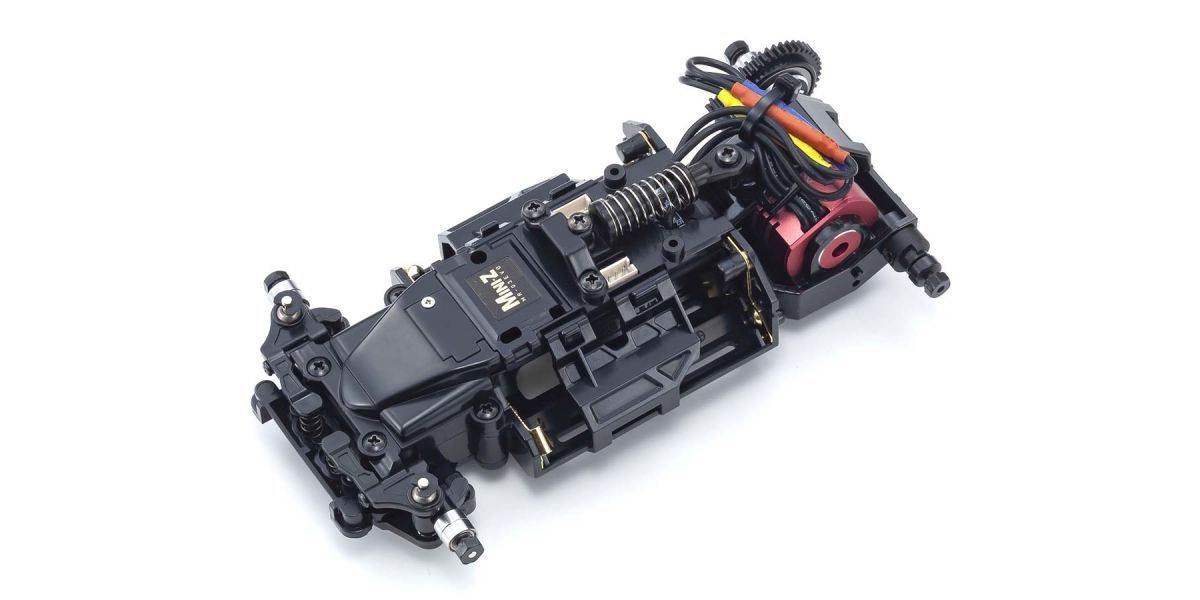
For RCP, you generally want rear compound matched to the surface (ask the locals what they run), and a T-plate stiffness appropriate for high-grip driving. If you’ve been running a very soft rear setup, the car is likely to feel unpredictable on RCP until you stiffen things up a little.
Don’t try to sort the setup on your first few track nights. Run something neutral, focus on learning the surface and the layout, and adjust setup once you have a baseline feel for how the car behaves on tile.
The Social Piece
Parking lot driving is solo. Track driving isn’t. Even in a practice session there are other cars on track, and this adds a whole new layer of complexity that is hard to simulate.
Traffic affects your lines. Getting lapped means staying out of faster cars’ way while maintaining your own rhythm. Getting behind a slower car in qualifying means deciding whether to back off and wait or try to find a gap.
None of this is something you can prepare for except by doing it. Get on track, be predictable, don’t make aggressive moves in practice, and watch how the experienced drivers handle traffic. It’s a skill separate from car control and it takes time to develop.
The parking lot is a great teacher. But it’s teaching a different course than RCP. Give yourself three or four track nights before you judge how the transition is going.
— Mini-Z Modder
Product images courtesy of Kyosho.